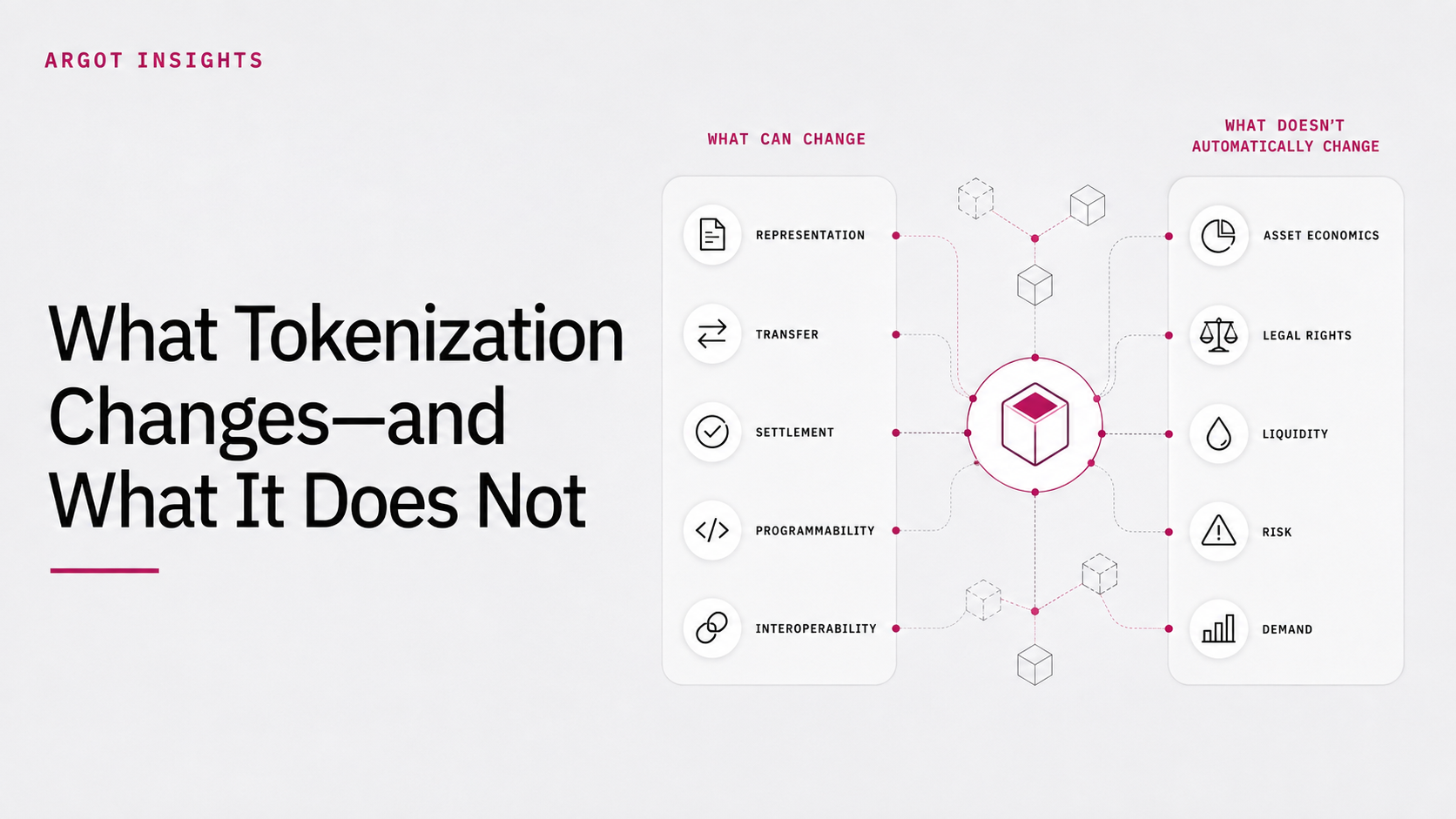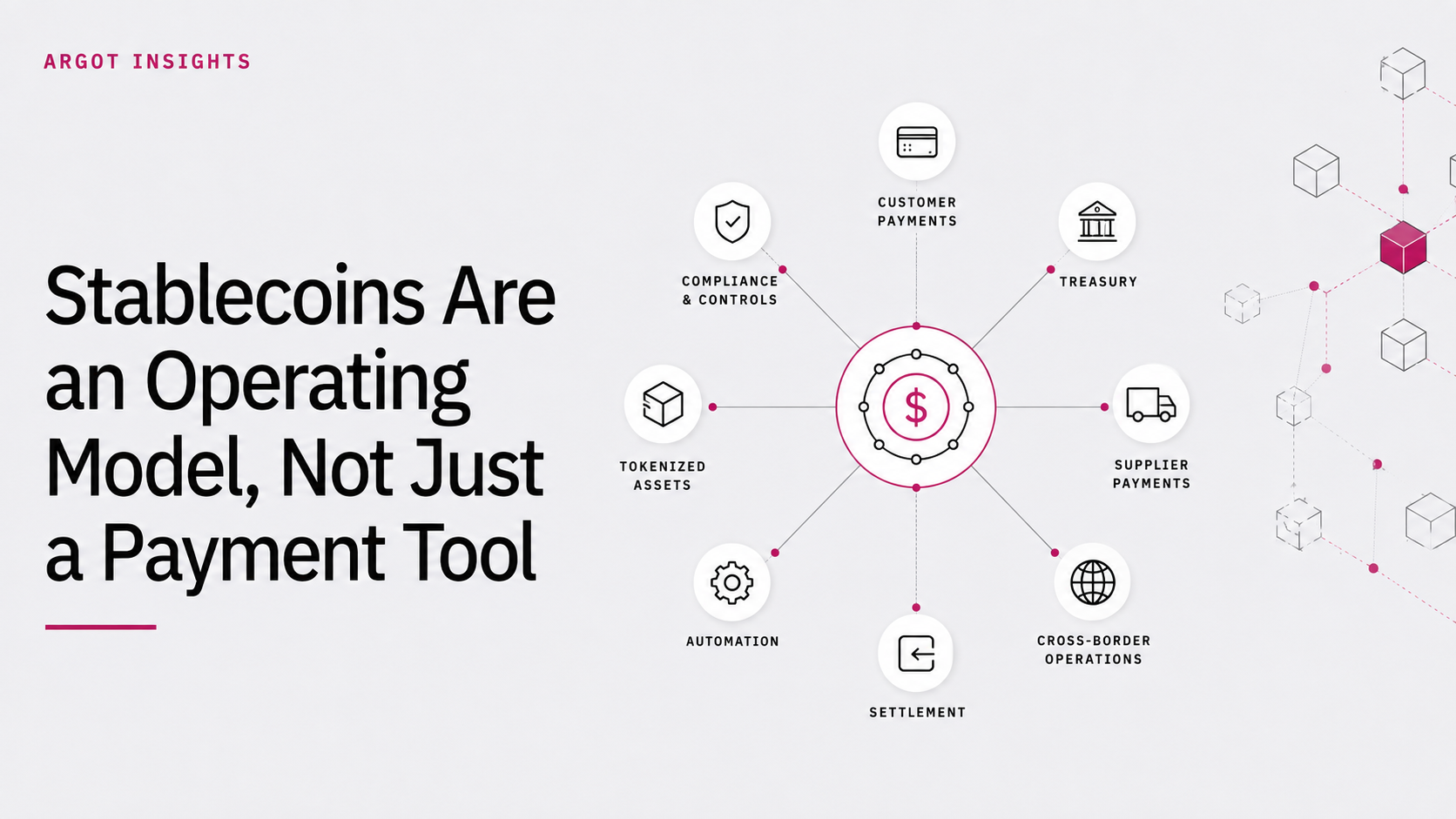
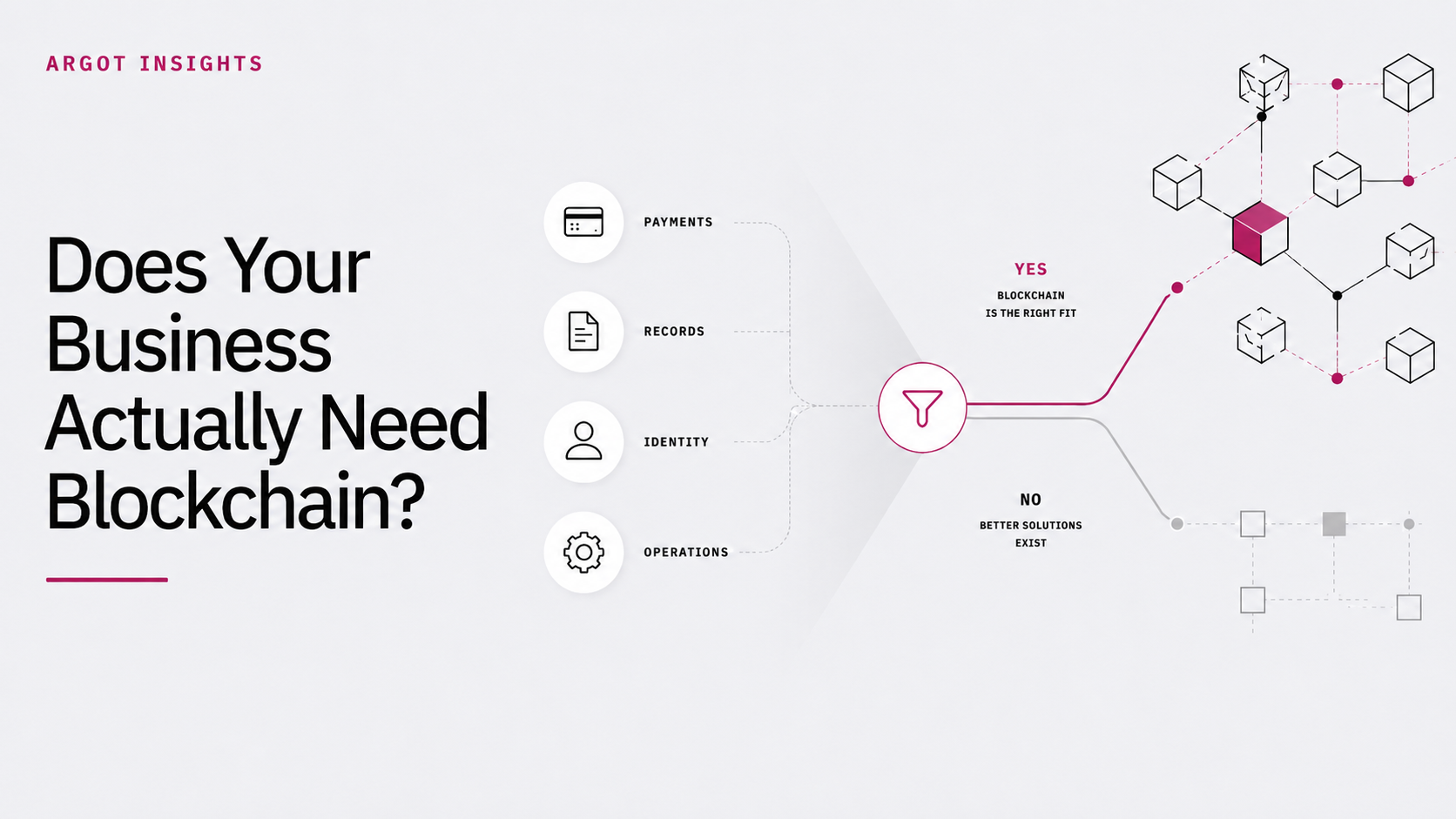


Blockchain has spent much of its history being presented as a technology businesses should find a reason to use.
That is backwards.
The first question for an organization considering blockchain should not be What could we put on a blockchain?
It should be: What problem are we trying to solve that existing systems do not solve particularly well?
For many business problems, the answer will still be a conventional database, API, cloud platform, payment processor, or other established technology. These systems are mature, efficient, relatively inexpensive, and familiar to the people who have to operate them.
Blockchain becomes interesting when the problem is not simply storing information or moving data. Its value becomes clearer when organizations need to coordinate information, assets, ownership, or transactions across multiple parties that do not necessarily share the same systems—or fully trust one another.
That distinction provides a much better starting point for deciding whether your business actually needs blockchain.
Start With the Coordination Problem
Traditional enterprise systems generally work extremely well inside organizational boundaries.
A company controls its database. It determines who can access it, who can change it, and which version of the information is authoritative.
Problems become more complicated when a business process crosses organizational boundaries.
A transaction might involve a buyer, seller, bank, payment provider, custodian, regulator, marketplace, logistics provider, or other intermediary. Each participant may maintain its own records. Information moves between systems. Transactions require reconciliation. Different organizations may have different versions of what happened.
Much of modern financial and commercial infrastructure exists to manage these coordination problems.
Blockchain offers a different architecture.
Instead of every participant maintaining an entirely separate version of the transaction and later reconciling those records, participants can interact with a shared transaction layer governed by common rules.
That does not automatically make the blockchain architecture better. But it tells us where to start looking for meaningful use cases.
The First Test: Are Multiple Parties Maintaining the Same Information?
Imagine a business process involving several organizations that all need to know the status of the same asset or transaction.
Today, those organizations may maintain separate databases and exchange information through APIs, files, messages, clearing systems, or intermediaries.
That architecture can work perfectly well. But it can also create duplicated records, reconciliation costs, settlement delays, disputes over the authoritative version of a transaction, and operational complexity.
A shared ledger becomes potentially useful when multiple independent participants need access to a reliable record of the same activity.
The important word is independent.
If every participant belongs to the same company and ultimately trusts the same system administrator, a normal database will usually be simpler.
Blockchain becomes more compelling when coordination has to occur across organizational boundaries.
The Second Test: Is Trust Currently Being Supplied by an Intermediary?
Many intermediaries exist because two parties cannot easily verify each other.
- A clearinghouse verifies transactions.
- A custodian verifies control of an asset.
- A payment processor coordinates transfers between financial institutions.
- A marketplace maintains records of buyers, sellers, and transactions.
- A title registry establishes ownership.
These functions are valuable precisely because trust and verification are difficult.
Blockchain does not eliminate the need for trust. That is one of the more persistent misconceptions surrounding the technology. Instead, it can change where trust resides.
Some verification previously performed by an organization can instead be performed through shared records, cryptographic proofs, smart contracts, consensus mechanisms, or transparent transaction histories.
The useful question therefore is not whether blockchain creates a “trustless” system.
It is: Could some part of the verification process be handled more efficiently by shared infrastructure rather than by repeated institutional verification?
If the answer is yes, blockchain deserves closer examination.
The Third Test: Does Ownership or Control Need to Move Digitally?
Blockchain becomes especially interesting when the information being recorded represents more than simple data. A token can represent a claim, credential, entitlement, financial instrument, unit of value, access right, or ownership interest.
That means a blockchain transaction can sometimes transfer the thing represented by the database entry rather than merely updating information about it. This distinction helps explain why financial assets have become one of the most important areas of blockchain development.
Traditional financial infrastructure often separates the asset, its ownership records, its settlement process, and the systems responsible for transferring money. Tokenized systems can potentially bring some of those functions closer together.
The question for businesses is therefore whether digitally transferable ownership or control creates an advantage.
If your application simply needs to display information about an asset, blockchain may add little.
If participants need to transfer, verify, program, or settle rights associated with that asset across a network, the calculation changes considerably.
The Fourth Test: Would Programmability Change the Workflow?
Another important capability of blockchain-based infrastructure is programmability.
- Smart contracts can establish rules governing how transactions occur.
- Payment might be released when predefined conditions are satisfied.
- An asset might only be transferable to eligible counterparties.
- Revenue could automatically be divided among several participants.
- Collateral requirements could adjust as conditions change.
- Ownership and payment could potentially move together rather than through separate settlement processes.
Again, none of these ideas automatically requires blockchain. Software has automated business rules for decades.
The difference is that smart contracts can execute those rules on shared infrastructure used by multiple organizations. That becomes particularly useful when automation must extend beyond a single company's internal systems.
Businesses should therefore ask whether blockchain merely recreates an existing digital workflow—or whether shared programmability could materially simplify how multiple organizations interact.
The Fifth Test: Does the Business Benefit From an Open Network?
Not every blockchain system needs to be fully public, but blockchain architecture introduces the possibility of networks that are much easier for outside participants to join and interact with. That can matter.
Traditional platforms typically concentrate control with the platform operator. The operator determines access, establishes technical standards, maintains records, and can change the rules governing participation.
Open blockchain networks operate differently. Applications, assets, and services can sometimes interact because they share common infrastructure and technical standards.
This composability can allow businesses to build on existing networks rather than constructing every part of the ecosystem themselves. But openness creates tradeoffs as well.
Public infrastructure may introduce regulatory, privacy, governance, security, or transaction-cost considerations that make a private or conventional architecture preferable.
The relevant question is not whether an open network is philosophically desirable. It is whether broader interoperability creates enough business value to justify those tradeoffs.
When Blockchain Is Probably the Wrong Answer
Many potential blockchain projects fail the tests above.
If one organization controls the entire process, participants already trust the central administrator, transactions do not involve transferable digital rights, interoperability is unnecessary, and a conventional database can perform the task efficiently, blockchain probably adds complexity without adding much value.
That is not a failure of the technology. It is simply the wrong architecture for the problem.
This distinction is becoming increasingly important as blockchain moves from experimentation toward financial and enterprise infrastructure.
During earlier technology cycles, organizations often began with the technology and searched for possible applications. More mature adoption works in the opposite direction. It begins with the operating problem.
A Better Blockchain Decision Framework
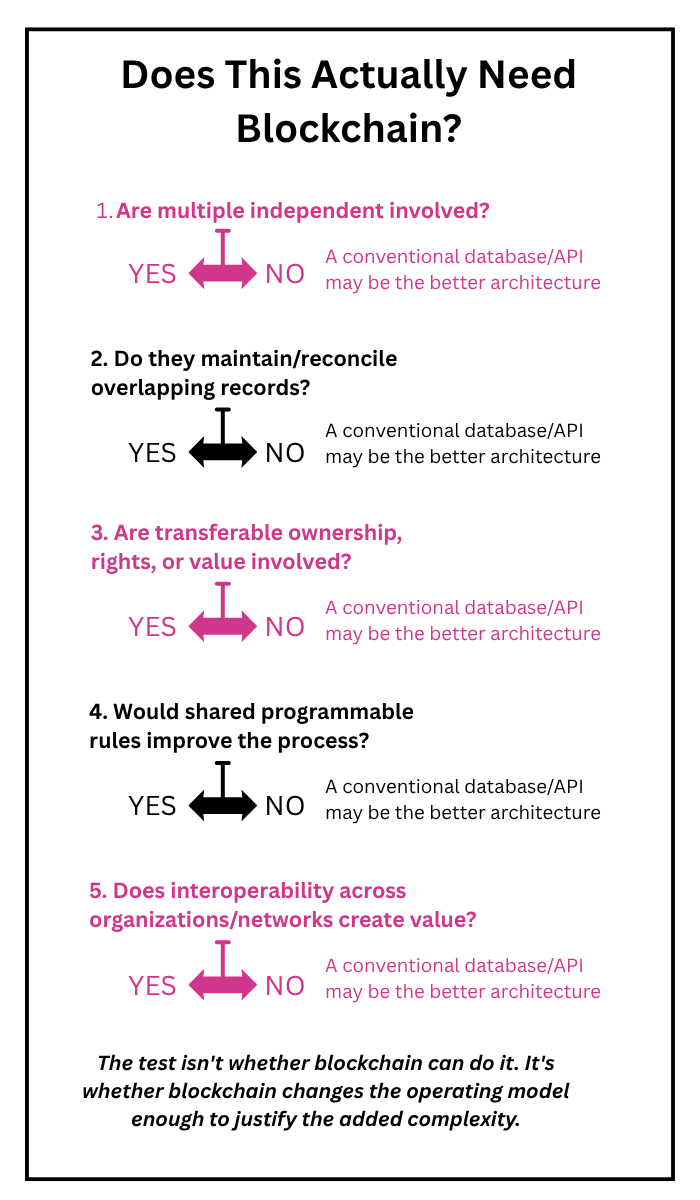
Businesses evaluating blockchain should examine five dimensions of the proposed system:
- Coordination: Are multiple independent organizations maintaining or reconciling the same information?
- Verification: Are significant resources being spent establishing trust between those organizations?
- Ownership: Does the system involve transferable rights, assets, credentials, or claims?
- Programmability: Could shared business rules automate interactions between participants?
- Interoperability: Would the ability to interact with a broader network of assets, applications, or counterparties create meaningful value?
The more of these conditions that exist simultaneously, the stronger the potential case for blockchain infrastructure becomes. If almost none of them exist, another technology is probably the better solution.
Blockchain Should Change Something
Perhaps the simplest test is this:
If blockchain disappeared from the proposal, would anything important about the operating model change?
If the answer is no, the project may simply be applying blockchain terminology to a process that does not need it.
- The strongest blockchain use cases behave differently.
- They change how organizations coordinate.
- They change how ownership is represented.
- They change how transactions settle.
- They change how business rules are executed.
- They change how participants connect to a network.
And increasingly, they change how money and other financial assets move through digital systems.
That is why areas such as stablecoins, tokenized financial assets, decentralized financial infrastructure, and blockchain-based settlement deserve serious attention even after many earlier blockchain experiments failed to produce meaningful business value.
The technology matters most when it changes the architecture underneath the business. For companies evaluating blockchain today, the objective should therefore not be blockchain adoption.
It should be finding the simplest and most effective infrastructure for the business problem being solved.
Sometimes that will be blockchain. And sometimes the smartest blockchain strategy will be knowing when not to use it.