


Enterprises do not enter Web3 by suddenly becoming crypto companies.
They enter more gradually, and usually more quietly. They identify a business process where trust, verification, settlement, ownership, identity, or coordination is more expensive or less efficient than it should be. They assess whether blockchain, tokenization, digital identity, smart contracts, or programmable assets can improve that process. Then they test, govern, measure, and integrate.
That is the real enterprise path into Web3.
It is not a leap into hype. It is a staged process of capability-building.
For most companies, Web3 adoption begins with a practical question: Where could new digital infrastructure create measurable business value?
Deloitte has framed enterprise Web3 adoption as a process of moving from interest to implementation — helping organizations understand where blockchain and Web3 may fit, how to evaluate use cases, and how to pilot the technology responsibly. That framing matters because enterprise Web3 is not primarily about ideology. It is about whether new tools can solve real business problems better than existing ones.
The companies that succeed in Web3 will not be the ones that chase every trend first. They will be the ones that learn how to evaluate Web3 clearly, test it safely, and scale it only where the evidence supports doing so.
Web3 begins as a business question
The first serious enterprise question is not: “Should we use blockchain?”
It is: “Where do we have a trust, verification, coordination, settlement, ownership, or data-sharing problem that creates measurable business friction?”
That distinction is essential.
Many failed blockchain projects began with the technology and then searched for a use case. Serious enterprise adoption works the other way around. It begins with a business problem and then asks whether Web3 infrastructure is relevant.
This is why the early phase of enterprise Web3 adoption should focus on use-case discovery, not technical enthusiasm. Gartner’s research on “top blockchain use cases delivering real business value” reinforces the importance of tying blockchain initiatives to specific operational outcomes rather than abstract innovation goals.
In practical terms, enterprises should look for areas where the existing system depends on slow reconciliation, fragmented records, manual verification, limited transparency, high transaction costs, or poor interoperability between parties.
That might include:
- Supply chain traceability
- Digital identity and credential verification
- Tokenized assets
- Loyalty and customer engagement
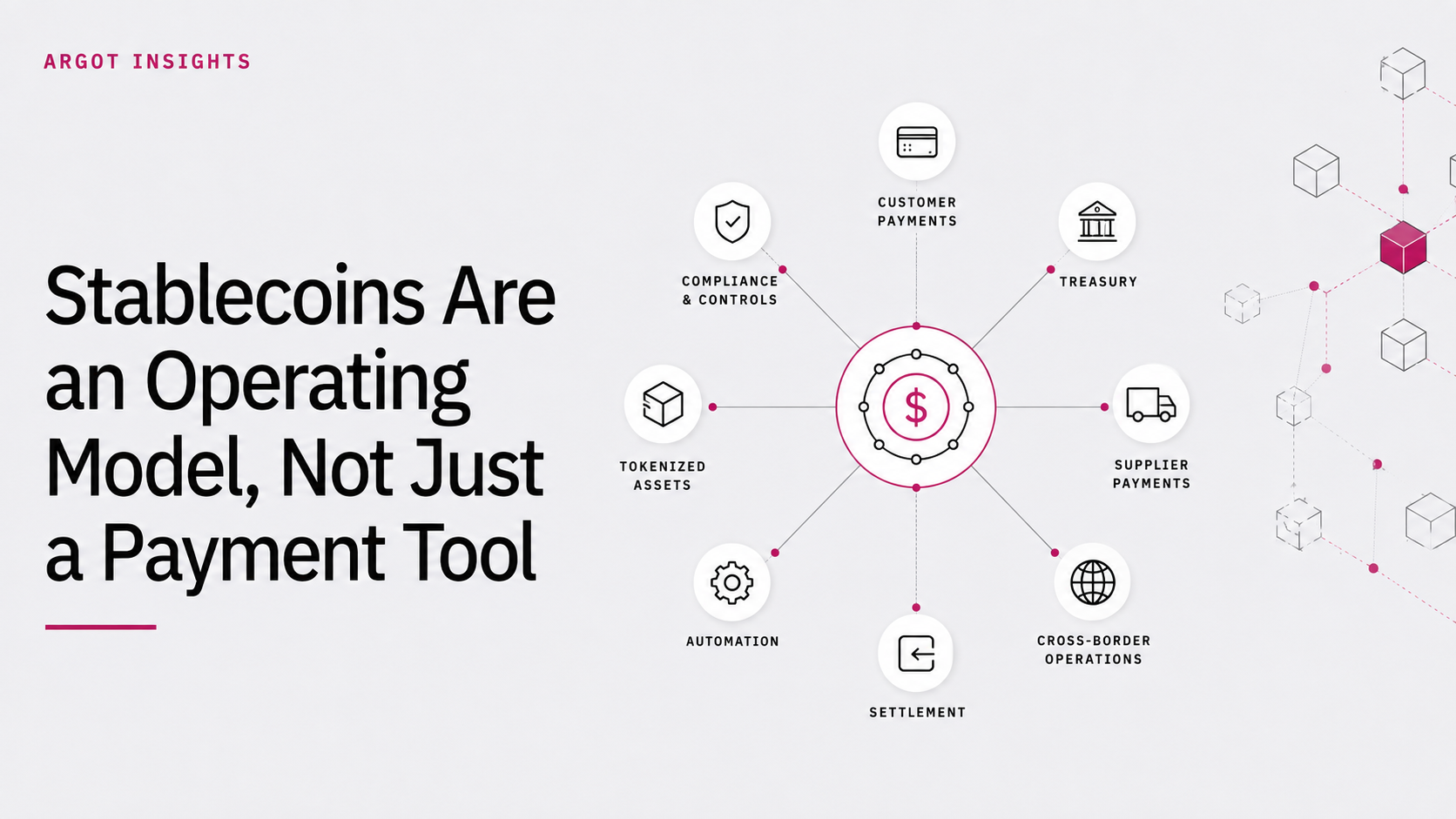
- Payments and settlement
- Contract automation
- Data sharing across organizations
- Compliance records
- Provenance and auditability
- Digital rights and ownership
Not every one of these areas requires Web3. But each contains the kind of friction that makes Web3 worth evaluating.
The enterprise path is staged
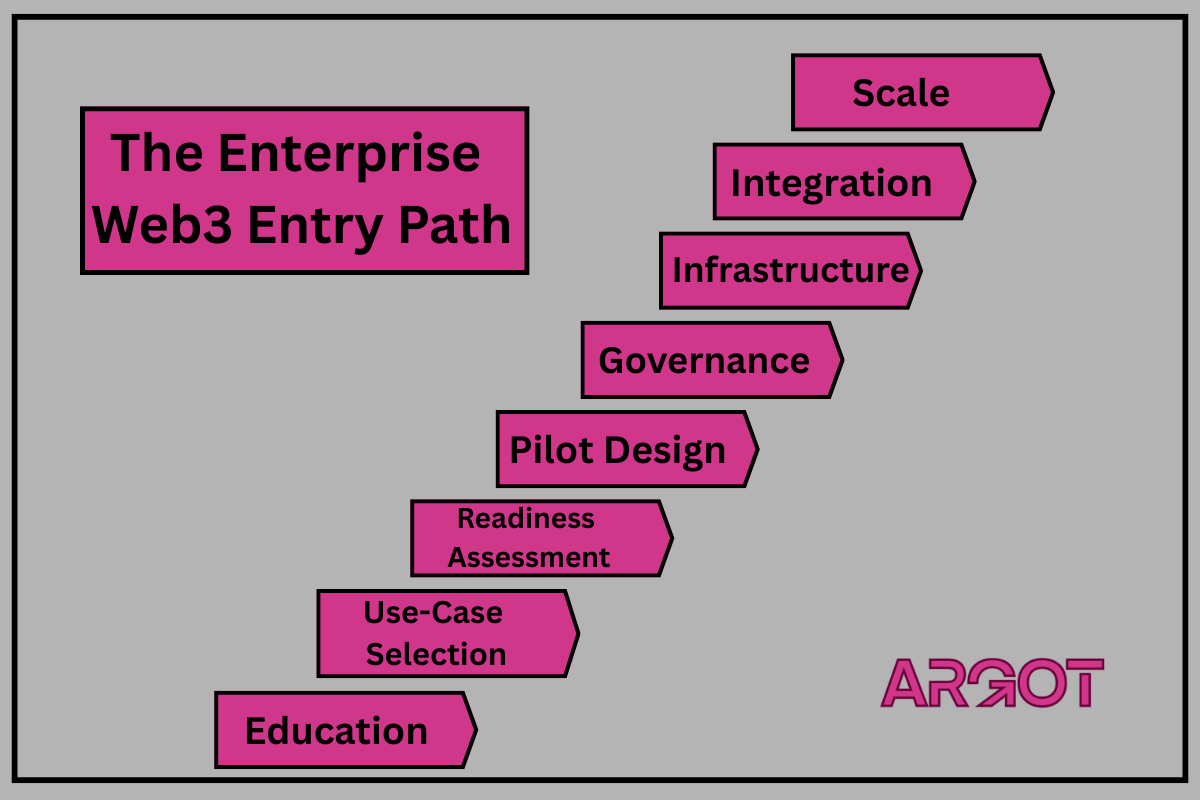
Enterprise Web3 adoption usually follows a staged path.
The first stage is education. Leadership teams need a shared vocabulary. They do not need to become blockchain engineers, but they do need to understand the difference between blockchain, crypto, tokenization, smart contracts, wallets, stablecoins, digital identity, and decentralized applications. Without that baseline, executives either overestimate Web3 because of hype or underestimate it because of confusion.
The second stage is use-case selection. This is where the company identifies specific business processes that may benefit from Web3 infrastructure. The goal is not to create a long list of speculative possibilities. The goal is to find a small number of high-potential use cases where the business problem is real, the Web3 relevance is plausible, and the experiment can be contained.
The third stage is readiness assessment. This is where enterprises evaluate whether they have the internal capacity to proceed. That includes technical readiness, legal and compliance readiness, data readiness, vendor readiness, cybersecurity readiness, and organizational readiness.
The fourth stage is pilot design. A good enterprise Web3 pilot is narrow, measurable, and reversible. It should test one specific business assumption. It should have a defined scope, limited exposure, clear success metrics, and a decision point at the end.
The fifth stage is governance. Enterprise Web3 touches more than technology. It may involve legal rights, customer data, financial instruments, intellectual property, payments, identity, cybersecurity, tax, and regulatory exposure. That means governance cannot be an afterthought.
The sixth stage is integration. If a pilot works, the company then has to determine whether and how to connect the Web3 system to existing enterprise systems, workflows, controls, and customer experiences.
This staged path matters because it prevents two common mistakes: moving too slowly because Web3 feels overwhelming, or moving too quickly because the company wants to appear innovative.
Readiness matters more than enthusiasm
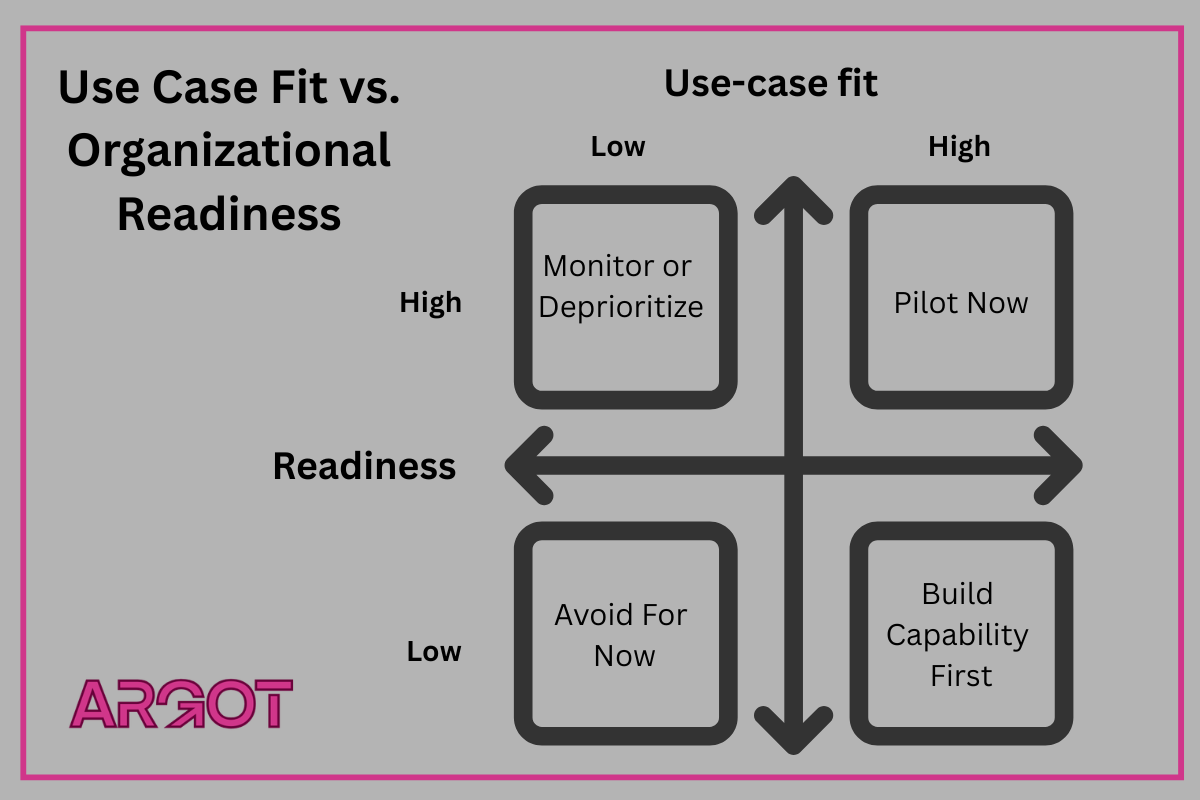
Many enterprises are interested in Web3. Fewer are ready to adopt it well.
That readiness gap is one of the most important issues in enterprise Web3 strategy. Deloitte’s Web3 enterprise transition work notes that companies often struggle with where to start, whether blockchain suits their needs, and how to navigate legal and regulatory issues.
That is exactly right.
Enterprise Web3 is not just a technology decision. It is a strategy, governance, compliance, operations, and change-management decision.
A company may have a promising use case but still be unprepared to execute it. It may lack internal expertise. It may not have clear data governance. It may not understand wallet custody. It may not have compliance alignment. It may not know how to evaluate vendors. It may not have a cybersecurity model for smart contracts or digital assets. It may not know whether the proposed use case creates regulatory exposure.
That does not mean the company should do nothing. It means the company needs to assess readiness before moving into implementation.
A useful readiness assessment should examine several questions:
- Does leadership understand the business purpose of the initiative?
- Is the use case connected to a measurable problem?
- Does Web3 offer a meaningful advantage over existing systems?
- What data will be used, stored, shared, or verified?
- Will customers, vendors, employees, or partners interact with the system?
- Are tokens, digital assets, wallets, or smart contracts involved?
- What legal, regulatory, tax, and compliance issues may arise?
- What internal systems would need to connect to the pilot?
- What vendors or infrastructure partners would be required?
- What would success look like?
Enterprises do not need perfect answers before beginning. But they need enough clarity to avoid turning exploration into uncontrolled risk.
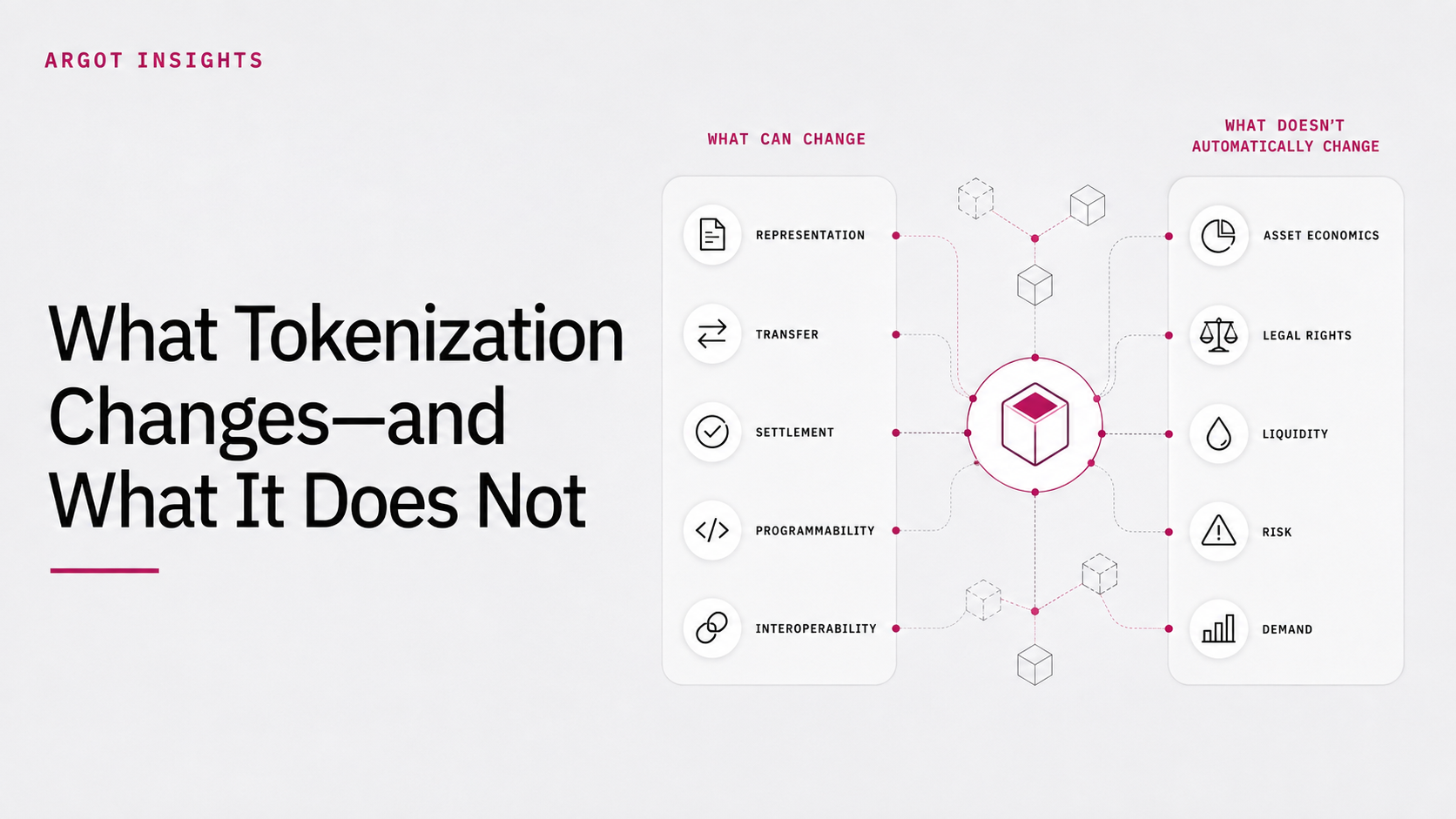
Tokenization is becoming a major entry point
For many enterprises, especially in financial services, tokenization is becoming one of the clearest entry points into Web3.
Tokenization means representing an asset, claim, right, or unit of value as a digital token. That asset could be financial, physical, contractual, or digital. In enterprise settings, tokenization is being explored for securities, funds, deposits, real estate, carbon credits, trade finance, loyalty, intellectual property, and real-world assets.
The World Economic Forum has described asset tokenization in financial markets as part of “the next generation of value exchange.” McKinsey has similarly written about tokenized financial assets moving “from pilot to at-scale deployment.”
That does not mean tokenization is mature everywhere. It is not. Adoption remains uneven. Regulatory frameworks vary. Market structure is still developing. Operational standards are still emerging.
But tokenization is important because it shows how Web3 can move beyond speculation and into institutional infrastructure.
For enterprises, the appeal of tokenization may include:
- Faster settlement
- Greater transparency
- Fractional ownership
- Programmable rules
- Improved transferability
- Reduced reconciliation
- More efficient collateral management
- New product structures
- Better auditability
- Expanded access to certain markets
The strategic question is not whether every asset will be tokenized. The question is where tokenization creates a better system than the one currently in place.
That is the enterprise lens.
Enterprises usually adopt hybrid models
One misconception about Web3 is that enterprise adoption requires everything to move fully on-chain.
That is rarely how serious enterprise systems work.
Most enterprise Web3 deployments are hybrid. They combine blockchain-based records, tokens, smart contracts, or verification tools with off-chain legal agreements, compliance systems, custody arrangements, customer service, data controls, and operational infrastructure.
This is especially true for real-world assets. A token may represent a claim, record, right, or interest, but the legal enforceability of that claim often depends on contracts, custodians, administrators, regulators, courts, or other off-chain institutions.
That does not make the token meaningless. It means the token is part of a larger system.
This is where enterprise Web3 differs from the more ideological versions of crypto culture. Enterprises are not usually trying to eliminate every intermediary or rebuild every process from scratch. They are trying to improve specific parts of a business system while preserving legal certainty, operational control, and customer trust.
That means enterprise Web3 strategy must address both the on-chain and off-chain components:
- What is represented on-chain?
- What remains off-chain?
- What legal rights does the token or credential represent?
- Who controls custody?
- Who can reverse errors?
- Who handles disputes?
- What happens if the smart contract fails?
- What data is public, private, encrypted, or permissioned?
- How does the system connect to existing enterprise software?
These are not secondary questions. They are the core of enterprise implementation.
Infrastructure choices shape the strategy
Enterprises do not enter Web3 through ideas alone. They enter through infrastructure choices.
Those choices include blockchains, wallets, custody providers, identity systems, smart contract platforms, compliance tools, analytics providers, developer tools, integration layers, and user interfaces.
For an enterprise, infrastructure decisions are strategic because they shape risk, cost, flexibility, security, compliance, and user experience.
A company exploring Web3 must decide whether it needs a public blockchain, a permissioned network, a private ledger, an API-based provider, a tokenization platform, a custody partner, or a vendor-managed solution. It must also decide what level of decentralization is actually necessary for the business problem.
In many cases, the answer may be: less than the hype suggests.
A company may not need to build a decentralized application. It may need a better verification layer. It may not need a public token. It may need a permissioned credential. It may not need to custody digital assets directly. It may need a regulated partner. It may not need to rebuild customer identity. It may need a wallet experience that customers barely notice.
The right infrastructure is the infrastructure that fits the use case, risk profile, and business objective.
This is why enterprises should avoid making technology decisions before completing strategy and readiness work. A poorly chosen infrastructure path can turn a promising use case into an expensive dead end.
Governance is the difference between experiment and exposure
Enterprise Web3 requires governance before scale.
That governance should include executive ownership, legal review, compliance review, cybersecurity review, vendor due diligence, data governance, risk controls, and clear decision rights.
The governance model should answer questions such as:
- Who owns the Web3 strategy?
- Who approves pilots?
- Who evaluates legal and regulatory risk?
- Who reviews smart contracts?
- Who manages vendor selection?
- Who controls wallets, keys, custody, and permissions?
- Who monitors cybersecurity risk?
- Who approves customer-facing experiences?
- Who decides whether a pilot moves to production?
- Who is accountable if something goes wrong?
These questions may sound operational, but they are strategic.
Without governance, Web3 experimentation can sprawl. Different teams may launch disconnected pilots. Vendors may drive the strategy. Legal concerns may surface too late. Data questions may remain unresolved. Customer experiences may become confusing. The company may accumulate technical and regulatory risk without building real capability.
With governance, Web3 becomes manageable. The company can test, learn, compare use cases, control exposure, and make better decisions over time.
The right first move is usually a diagnostic
For many enterprises, the best first move is not a pilot. It is a diagnostic.
A diagnostic helps the company understand where Web3 may create value, where it is irrelevant, and where the organization is not yet ready.
That matters because Web3 contains a wide range of technologies and business models. Blockchain infrastructure, tokenized assets, decentralized identity, smart contracts, stablecoins, digital wallets, decentralized finance, NFTs, and DAOs are not the same thing. They carry different risks, opportunities, maturity levels, and use cases.
A Web3 diagnostic should help leadership answer five questions:
1. Where could Web3 create business value?
This identifies the workflows, markets, products, or relationships where Web3 may be relevant.
2. Which use cases are worth testing first?
This separates serious opportunities from interesting but premature ideas.
3. What risks need to be understood before experimentation?
This includes legal, regulatory, tax, cybersecurity, data, operational, and reputational risk.
4. What capabilities does the company need?
This may include education, vendor partnerships, technical architecture, governance, compliance processes, or new operating models.
5. What is the smallest useful pilot?
This turns strategy into action without forcing the company into a premature large-scale commitment.
The diagnostic is not meant to slow the company down. It is meant to prevent waste, confusion, and avoidable risk.
How enterprises actually enter Web3
The enterprise path into Web3 is not mysterious.
It usually looks like this:
Education creates a shared vocabulary.
Use-case discovery identifies where Web3 may solve a real problem.
Readiness assessment determines whether the organization can proceed responsibly.
Pilot design creates a low-risk test.
Governance controls legal, compliance, technical, and operational exposure.
Infrastructure selection matches the technology to the business need.
Measurement determines whether the pilot worked.
Integration connects successful experiments to the broader business.
Scaling happens only when evidence supports it.
This is not as dramatic as a token launch or a public innovation campaign. But it is how serious companies build durable capability.
The Argot enterprise Web3 entry framework
At Argot, we believe enterprise Web3 strategy should begin with disciplined judgment.
Before an organization commits to a Web3 initiative, it should be able to answer six questions:
What business problem are we solving?
The use case should be tied to a real operational, financial, customer, or strategic pain point.
Why is Web3 relevant?
The use case should involve trust, verification, settlement, ownership, identity, coordination, or programmable value.
Are we ready to test it?
The organization should understand its legal, technical, data, compliance, cybersecurity, and operational requirements.
What is the smallest useful experiment?
The first pilot should be narrow enough to control but meaningful enough to teach.
How will we govern it?
The company should know who owns the initiative, who approves risk, and who decides what happens next.
What evidence will determine the next step?
The pilot should lead to a decision: stop, refine, expand, integrate, or scale.
This is how enterprises avoid two opposite mistakes: dismissing Web3 too early or adopting it too recklessly.
Web3 entry is capability-building
The companies that enter Web3 well will not necessarily be the loudest.
They will be the ones that build the ability to evaluate new digital infrastructure with clarity. They will understand where Web3 is useful and where it is not. They will know which use cases belong in a pilot, which require more maturity, and which should be ignored. They will develop governance models before risk accumulates. They will build relationships with credible infrastructure partners. They will learn how to translate Web3 from a technology conversation into a business conversation.
That capability will matter.
Web3 is not one product, one platform, or one trend. It is a broad shift in how digital systems can represent value, ownership, rights, identity, and coordination. Some parts of that shift will mature quickly. Others will disappoint. Some will become invisible infrastructure. Others will reshape markets.
Enterprises do not need to predict all of it perfectly.
But they do need a way to learn.
That is how enterprises enter Web3: not through hype, not through fear, and not through a sudden transformation program.
They enter through disciplined exploration.
They enter through use cases.
They enter through readiness.
They enter through controlled pilots.
They enter through governance.
And when the evidence is strong enough, they enter through integration and scale.
Need help finding your enterprise Web3 entry point?
Argot helps companies identify where Web3 may create practical business value — and where it may create unnecessary complexity.
Our Web3 Strategy & Readiness Diagnostic helps leadership teams evaluate use cases, assess organizational readiness, identify risks, and design low-risk pilots that produce evidence instead of hype.
For enterprises exploring blockchain, digital assets, tokenization, decentralized identity, smart contracts, or Web3-enabled business models, the first step is not a leap.
It is a structured entry strategy.